
Website Builder for Event Planners: Portfolios That Win 2027 Weddings & Corporate Events
Website Builder for Event Planners: Portfolios That Win 2027 Weddings & Corporate Events
Ask any event planner what books their calendar, and the answer is rarely a cold call. It is a couple scrolling through portfolios at midnight, a corporate office manager comparing planners for an annual gala, or a bride forwarding a link to her fiancé with the words “this one.” Before a single consultation happens, your website has already made your case — or lost it. A website builder for event planners exists to make sure that first impression works as hard as you do.
Event planning is a visual business built on trust. Clients are handing you the most important day of their year — sometimes of their lives — and they decide in minutes whether you feel like the right person for it. A portfolio site that looks polished, loads fast, and makes it easy to inquire turns casual browsers into booked consultations. As the 2027 booking season opens, planners who invest in their online presence now will fill next year’s calendar first.
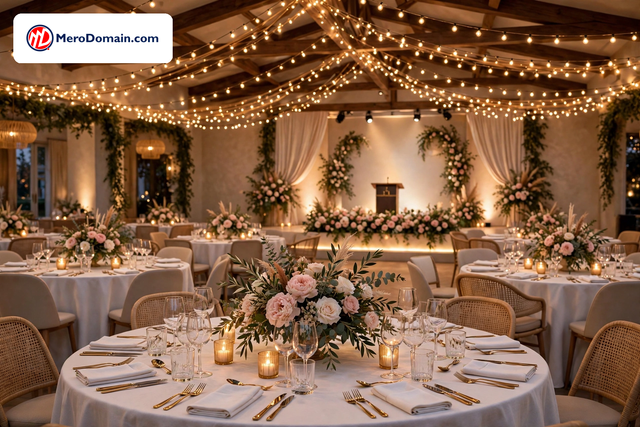
Why a Website Builder for Event Planners Beats a Generic Site
General website tools hand you a blank page and wish you luck. A website builder for event planners starts from what your business actually needs: portfolio galleries, service packages, testimonial sections, and inquiry forms. The structure is already there — you add your photos, your services, and your voice.
That head start matters because planners are busy people. Between venue walkthroughs, vendor calls, and event days, nobody has time to wrestle with code or hire a developer for every small change. With an AI-powered builder, you answer a few questions about your business and get a complete draft site you can refine with simple edits. Updating your portfolio after a big wedding, adding a new corporate package, or swapping seasonal photos becomes a ten-minute job, not a project.
Built for the way planners actually work
The best planner website is the one that stays current. When updates are easy, your latest events appear in your portfolio within days, your availability stays accurate, and prospective clients always see your best recent work. When updates are hard, the site goes stale — and a portfolio showing events from three years ago quietly tells visitors you have not been busy lately, even when the opposite is true.
Portfolio Galleries That Sell Your Style
Your portfolio is your shop window. Couples and corporate clients do not hire planners based on a services list; they hire based on a feeling — the mood of a candlelit reception, the energy of a product launch, the elegance of a garden ceremony. High-quality galleries organized by event type let each visitor find the work that matches their own vision.
Organize galleries the way clients think: weddings, corporate events, private celebrations, and styled shoots. Within each gallery, pair wide venue shots with detail photos — table settings, floral work, lighting design — because details are where planners prove their craft. Add a short caption to each event noting the venue, the guest count, and the style, so a visitor planning a 200-guest ballroom wedding can picture exactly what you would do for them.
Quality beats quantity
Ten stunning events beat fifty mediocre ones. Curate ruthlessly: lead with your strongest work, remove anything that no longer reflects your style, and refresh the portfolio after every standout event. A focused portfolio attracts the clients you actually want, which is how planners gradually move toward the weddings and corporate accounts they enjoy most.
Service Pages for Weddings, Corporate Events, and Everything Between
Most planners serve more than one market, and each market searches differently. A bride searches for a wedding planner; an office manager searches for a corporate event planner. Dedicated service pages let you speak to each audience in their own language, with the packages, pricing approach, and examples that matter to them.
A wedding services page might cover full planning, partial planning, and day-of coordination, with a note on how far in advance couples should book. A corporate page might cover conferences, holiday parties, and product launches, emphasizing logistics, vendor management, and budget reporting. When each page answers its audience’s specific questions, visitors stay longer — and search engines reward that relevance too.
Show packages without boxing yourself in
Clients like to see a starting point, but event work is custom by nature. Present packages as starting points — “full-service weddings from X” or “corporate events tailored to your brief” — and invite visitors to request a custom quote. That combination of transparency and flexibility converts far better than either a blank “contact us for pricing” or a rigid price list.
Testimonials and Real Events That Build Trust
Planning is a high-trust purchase. Nobody books a planner they do not trust with a five-figure budget and a once-in-a-lifetime date. Testimonials from real clients, paired with photos from their actual events, are the fastest way to earn that trust online.
Collect testimonials deliberately: after every successful event, ask the client for two or three sentences about working with you, and permission to pair it with a photo from their event. Place these throughout your site — on the homepage, on service pages, and in a dedicated reviews section — rather than burying them on a single page nobody visits. A testimonial beside a matching photo feels real in a way that a standalone quote never does.
Inquiry Forms That Turn Browsers Into Booked Consultations
A beautiful portfolio means nothing if inquiring is a chore. Your inquiry form should ask for exactly what you need to start a conversation: event type, date or date range, estimated guest count, venue if known, and budget range. Keep it short — every extra field costs you inquiries.
Make the form impossible to miss: a clear button on every page, a dedicated contact section on the homepage, and a simple confirmation message that tells visitors when to expect a reply. Then reply fast. In event planning, the first planner to respond thoughtfully often wins the consultation, because clients are usually contacting several planners at once. A professional email address on your own domain reinforces that first impression — it signals a real business, not a side hobby.
Local SEO: Be the Planner Clients Find First
Most event searches start with a place: “wedding planner in Austin,” “corporate event planner near Denver,” “event planner for destination weddings.” Your website needs to show up for those searches, and that starts with location-specific pages and content.
Create pages or sections for the cities and venues you serve most, mention them naturally in your copy, and keep your business name, address, and contact details consistent everywhere online. Publish occasional short posts — a recap of a styled shoot, a seasonal planning tip, a venue spotlight — to keep the site fresh and give search engines new reasons to rank you. Local visibility compounds: the planners who rank today are the ones clients call first tomorrow.
Your domain is part of your brand
A memorable domain name — ideally your business name — makes you easy to find, easy to refer, and easy to remember after a vendor showcase or wedding expo. Secure it early, even if your site is still in progress, so no one else claims the name you have built your reputation around.
Booking the 2027 Season Starts Now
The planners who fill their 2027 calendars are not waiting until January to get serious about marketing. Couples are already researching venues and planners for next year’s weddings, and companies are already planning annual galas, conferences, and holiday events. Every week your website sits unfinished or outdated is a week of inquiries going to competitors.
Start with the essentials: a strong homepage, a curated portfolio, clear service pages, testimonials, and an easy inquiry form. Launch that, then improve it event by event. A website builder for event planners makes this realistic — you can have a professional site live this week, and refine it as your portfolio grows. Your 2027 clients are searching right now. Make sure they find a planner worth booking: you.
Try Now — Free AI Website Builder
Related Resources
- AI Website Builder (Free Trial) — Start building your event planning website free with AI-powered design and setup.
- Website Themes — Browse professionally designed themes you can customize for your planning brand.
- Industry Templates — Explore templates built for event planners and other service businesses.
- Domain Registration — Register a memorable domain name for your event planning business.